
Today, more people are becoming conscious about health, fitness, and nutrition. But understanding what a healthy diet truly means can sometimes feel confusing. With so many diet trends, food myths, and conflicting information online, it’s easy to get overwhelmed.
In reality, a healthy diet doesn’t require fancy ingredients, expensive supplements, or strict restrictions. It simply means giving your body the right balance of protein, vitamins, and minerals—the three building blocks of good nutrition.
This detailed yet simple guide will help you understand:
- Why a balanced diet matters
- The roles of proteins, vitamins & minerals
- The best food sources
- How to create an easy, everyday balanced meal plan
- Nutritional facts tables for quick reference
- Practical tips to follow a healthy lifestyle
Table of Contents
1. What Is a Healthy Diet?
A healthy diet is nourishment that supports your body’s daily needs. It keeps you active, prevents lifestyle diseases, and boosts overall well-being. A balanced diet includes:
- Fresh fruits and vegetables
- Whole grains (rice, wheat, millets, oats)
- Healthy fats (nuts, seeds, olive oil, ghee)
- Lean proteins (dal, eggs, fish, chicken, tofu)
- Adequate vitamins & minerals
A healthy diet is not about skipping meals or eating less. It’s about eating right, not eating less.
2. Why Balanced Nutrition Is Important
Your body works like a machine. Just as machines need fuel and maintenance, your body needs nutrients to perform everyday functions like breathing, thinking, digestion, movement, and immunity.
A balanced diet helps:
- Improve immunity
- Maintain healthy weight
- Strengthen bones & muscles
- Improve digestion
- Reduce fatigue
- Enhance mental clarity
- Prevent lifestyle diseases like diabetes, BP, obesity
- Support growth in children
A healthy body begins with healthy nutrition.
3. Protein: The Body’s Building Block
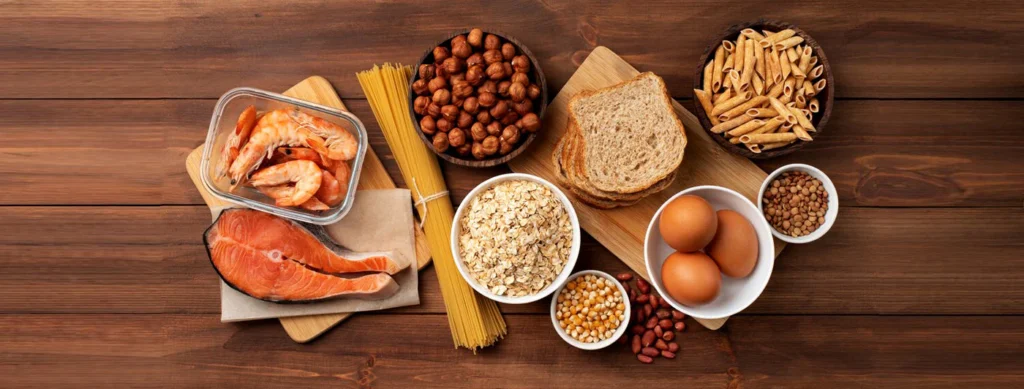
Protein is the foundation of life. Every cell in your body — muscles, skin, hair, blood — contains protein. Without enough protein, the body struggles to repair tissues, fight infections, or maintain energy.
Why Protein Is Important for healthy diet ?
- Builds and strengthens muscles
- Supports growth (especially in children & teens)
- Repairs damaged tissues
- Maintains skin, hair & nails
- Controls hunger and aids weight loss
- Boosts metabolism
- Helps in hormone and enzyme production
Daily Protein Requirement
- Adults: 0.8 – 1g per kg of body weight
- Children: Higher due to growth needs
- Pregnant women: Increased protein requirement
Best Protein-Rich Foods
- Eggs
- Chicken & fish
- Milk, curd, paneer
- Lentils (dal), beans, chana
- Tofu, soy
- Nuts & seeds
- Sprouts
Signs You Need More Protein
- Constant tiredness
- Weakness
- Hair fall
- Frequent illness
- Craving junk food
- Slow healing
4. Vitamins: Essential for Daily Functioning
Vitamins may be required in small amounts, but their impact is huge. They support immunity, skin health, vision, digestion, and mental function.
Types of Vitamins & Their Benefits
Vitamin A
- Improves vision
- Supports immune system
- Promotes glowing skin
Sources: carrots, spinach, sweet potato, papaya
Vitamin B Complex
Includes B1, B2, B3, B5, B6, B7, B9, B12
- Boosts energy
- Supports brain function
- Helps metabolism
Sources: eggs, nuts, whole grains, dairy
Vitamin C
- Boosts immunity
- Improves skin texture
- Helps in iron absorption
Sources: oranges, lemons, guava, amla
Vitamin D
- Strengthens bones
- Helps calcium absorption
Sources: sunlight, milk, fish
Vitamin E
- Improves skin & hair
- Acts as an antioxidant
Sources: nuts, seeds, spinach
Vitamin K
- Helps blood clotting
- Supports bone health
Sources: leafy greens, broccoli
5. Minerals: Tiny Nutrients for healthy diet
Minerals support your bones, heart, nervous system, muscles, and overall energy levels.
Important Minerals & Their Functions
Calcium
- Strong bones & teeth
- Muscle contraction
Sources: milk, curd, ragi
Iron
- Prevents anemia
- Improves oxygen supply
Sources: spinach, beans, jaggery, dates
Magnesium
- Muscle & nerve function
- Stress management
Sources: nuts, seeds, whole grains
Potassium
- Controls BP
- Maintains hydration
Sources: banana, coconut water
Zinc
- Builds immunity
- Helps wound healing
Sources: dairy, seeds, whole grains
Nutritional Facts Table
| Nutrient | Food Sources | Major Benefits |
| Protein | Eggs, dal, paneer, chicken | Muscle building, repair, immunity |
| Vitamin A | Carrot, spinach, papaya | Vision, skin health |
| Vitamin C | Amla, guava, citrus fruits | Immunity boost |
| Vitamin D | Sunlight, dairy | Bone strength |
| Calcium | Milk, ragi | Strong bones |
| Iron | Spinach, jaggery | Prevents anemia |
| Magnesium | Nuts, whole grains | Muscle strength |
| Potassium | Banana, coconut water | BP control |
| Zinc | Seeds, dairy | Healing, immunity |
6.How to Create a Balanced Plate
A healthy plate should include all food groups in the right proportions.
- 50% Fruits & Vegetables
- 25% Whole Grains (rice, wheat, millets, oats)
- 25% Protein (dal, eggs, paneer, chicken)
- 1 tsp Healthy Fat (ghee, olive oil, nuts)
Why this works:
- Prevents overeating
- Maintains weight
- Supports digestion
- Keeps sugar levels stable
- Ensures maximum nutrients per meal
7.Healthy Eating Tips for Everyday Life
(Simple, Practical & Beginner-Friendly)
1. Start Your Day with a Nutritious Breakfast
Include protein (eggs, sprouts, milk), whole grains, and fruits to maintain energy.
2. Add a Portion of Protein to Every Meal
Dal, paneer, eggs, chicken, curd, tofu — protein keeps you fuller and stronger.
3. Include at Least 2–3 Servings of Vegetables Daily
Half of your plate should be colourful veggies for vitamins & minerals.
4. Eat Seasonal & Local Foods
They are fresher, more nutritious, and easier for the body to digest.
5. Choose Whole Grains Over Refined Foods
Replace maida items with wheat, millets, oats, brown rice.
6. Stay Hydrated Throughout the Day
Drink 2–3 litres of water. Add coconut water or lime water for hydration.
7. Cut Down on Sugar & Packaged Junk
Limit soft drinks, bakery sweets, chips, and instant foods.
8. Add Nuts & Seeds as Healthy Snacks
Almonds, walnuts, pumpkin seeds, flaxseeds boost heart & brain health.
9. Don’t Skip Meals
Skipping meals causes overeating later and slows metabolism.
10. Include Healthy Fats
Use ghee, olive oil, nuts, and seeds in moderation — they support brain and hormone health.
11. Practice Portion Control
Eat until 80% full. Use smaller plates to avoid overeating.
12. Reduce Salt Intake
Too much salt increases blood pressure. Prefer homemade meals.
13. Add Fermented Foods to Improve Digestion
Curd, buttermilk, idli, dosa help strengthen gut health.
14. Cook More Meals at Home
Home-cooked food = cleaner, safer, more nutritious.
15. Get 10–15 Minutes of Sunlight Daily
The best natural source of Vitamin D for immunity & bone health.
16. Read Food Labels Before Buying
Avoid foods with too much sugar, salt, or preservatives.
17. Chew Your Food Slowly
Improves digestion and prevents overeating.
18. Limit Deep-Fried Foods
Choose steamed, grilled, or sautéed options instead.
19. Add One Fruit Every Day
Simple habit for vitamins, fibre & hydration.
20. Maintain Consistency
Small steps daily make healthier habits long-lasting.
Balanced Indian Healthy Diet Meal Plan (Veg)
Early Morning
- Warm water with lemon
- 5 almonds + 2 walnuts
Breakfast
- Vegetable upma / poha / oats porridge
- 1 fruit (banana / papaya / apple)
- 1 cup green tea or milk
Mid-Morning
- Coconut water or buttermilk
- 1 small bowl sprouts
Lunch
- 2 chapatis / 1 cup rice
- Dal (moong/chana/toor)
- 1 sabzi (spinach, beans, carrot, pumpkin etc.)
- Salad (cucumber + tomato + carrot)
- Curd
Evening Snack
- Roasted chana / makhana
- Masala tea (less sugar)
Dinner
- Chapati + paneer curry / mixed veg
- 1 bowl soup (tomato/veg/lentil)
Bedtime
- Warm turmeric milk or plain warm water
2. Balanced healthy diet – Indian Non-Veg Meal Plan
Early Morning
- Warm water + chia seeds
Breakfast
- Egg omelette + 2 slices brown bread
- 1 fruit
Mid-Morning
- Buttermilk or lemon water
Lunch
- 1 cup rice or 2 rotis
- Grilled chicken/boiled eggs/fish fry
- Dal or rasam
- 1 sabzi
- Salad
Evening Snack
- Boiled eggs / peanuts / sprouts
Dinner
- Roti + chicken curry / fish + veggies
- Light soup to improve digestion
3. Simple South Indian healthy diet meal Plan
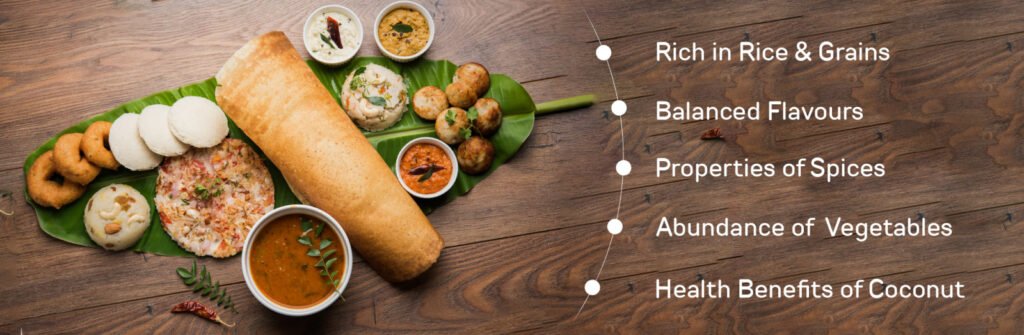
Early Morning
- Jeera water
Breakfast
- Idli + sambar + chutney
OR - Ragi dosa + chutney
Mid-Morning
- Buttermilk or tender coconut
Lunch
- Sambar rice (semi brown rice)
- Poriyal (carrot/beans/cabbage)
- Rasam
- Curd
- Salad
Evening Snack
- Sundal (chana / rajma)
- Tea
Dinner
- Chapati + veg kurma
- Or light dosa + vegetable soup
Simple North Indian Healthy Meal Plan
Early Morning
- Warm water + honey
Breakfast
- Besan chilla / paneer paratha
- Curd
Mid-Morning
- Fruit + green tea
Lunch
- 2 phulkas
- Dal tadka
- Mix veg sabzi
- ½ cup rice
- Salad + curd
Evening Snack
- Roasted makhana
- Herbal tea
Dinner
- Khichdi + sabzi
- Or paneer/curry with 2 chapatis
Why Fruits & Vegetables Are Essential for a Healthy Diet
FRUITS & VEGETABLES
- Rich in Vitamins & Minerals
They provide Vitamin A, C, K, folate, potassium, iron, and more — essential for immunity, skin, and energy
- High in Antioxidants
Colorful fruits & veggies fight free radicals and slow ageing.
- Excellent Source of Fibre
Helps digestion, controls cholesterol, and keeps you full longer.
- Low in Calories
Perfect for weight loss and managing appetite.
- Natural Hydration
Fruits like watermelon, cucumber, oranges contain >90% water.
How to Add More Fruits & Veggies to Your Diet
Simple Tips:
- Start your day with a fruit bowl or smoothie.
- Add salads to lunch & dinner.
- Snack on carrot sticks, cucumbers, and apples instead of junk.
- Include 1 seasonal vegetable daily.
- Replace sugary desserts with fresh fruit.
- Make colourful plates with at least 3–4 different veggies
Sample One-Day Fruit & Veg Diet Plan
- Breakfast – Oats + banana + berries
- Mid-morning – Coconut water + apple
- Lunch – Brown rice + dal + mixed vegetable curry + salad
- Evening snack – Carrot + cucumber sticks
- Dinner – Chapati + spinach sabzi + bowl of papaya
Leave a Reply